What Do You Prefer? Face-to-Face or Tech-Savvy Communication?
Are you someone who loves meeting people in person, or do you prefer connecting through technology? Both approaches offer unique advantages and disadvantages depending on the situation.
The Power of Face-to-Face Interaction
In-person communication engages all five senses, creating a deeper emotional connection and more memorable experiences. Physical meetings naturally foster stronger human bonds:
Sight and Touch: You can see and feel the presence of others—real, immediate, and tangible.
Hearing, Smell, and Sight (Again): You pick up on tone, expressions, and even scents that contribute to the overall emotional experience.
Touch/Feeling: A simple hug or group embrace can express deep, unspoken emotions.
Taste: Although not always involved, sharing food or drinks—cheers, snacks, meals—adds another layer to connection, symbolizing trust and warmth. We rarely share things with strangers, but gladly do so with loved ones.
Technology-Driven Communication
On the other hand, technology allows us to stay connected, no matter the distance. In today’s digital age, we often rely on virtual tools to maintain relationships:
The rise of tech has shifted many of our daily interactions to screens instead of face-to-face.
Digital communication can’t fully activate our five senses, but it provides its own form of emotional expression—memes, emojis, and instant reactions help bridge the gap.
During the COVID-19 pandemic, platforms like Zoom, Microsoft Teams, and Google Meet became lifelines for staying in touch with colleagues, friends, and family across the globe.
Face-to-face communication brings warmth, spontaneity, and emotional richness. It offers real-time impressions that are hard to replicate. At the same time, technology enables us to connect globally with the click of a button—regardless of time zones.
Personally, I prefer connecting with people in person when I can, to enjoy those real-time, multi-sensory experiences. But I’m also incredibly grateful for technology—it allows me to stay close with friends and family living across the world. I miss them dearly, and I’m thankful I can still feel connected, even from far away.
Little Ones with Big Ideas: Unleashing Extraordinary Creativity
In Western culture, preschoolers often practice giving brief presentations, starting around the age of 5. This practice, known as “Show and Tell,” is integrated into school curriculums, typically on a weekly basis. It’s a fantastic exercise for building young children’s confidence and encouraging a love of learning. Essentially a simplified version of a professional TED Talk, these sessions allow young presenters to share ideas in a dynamic and interactive way.
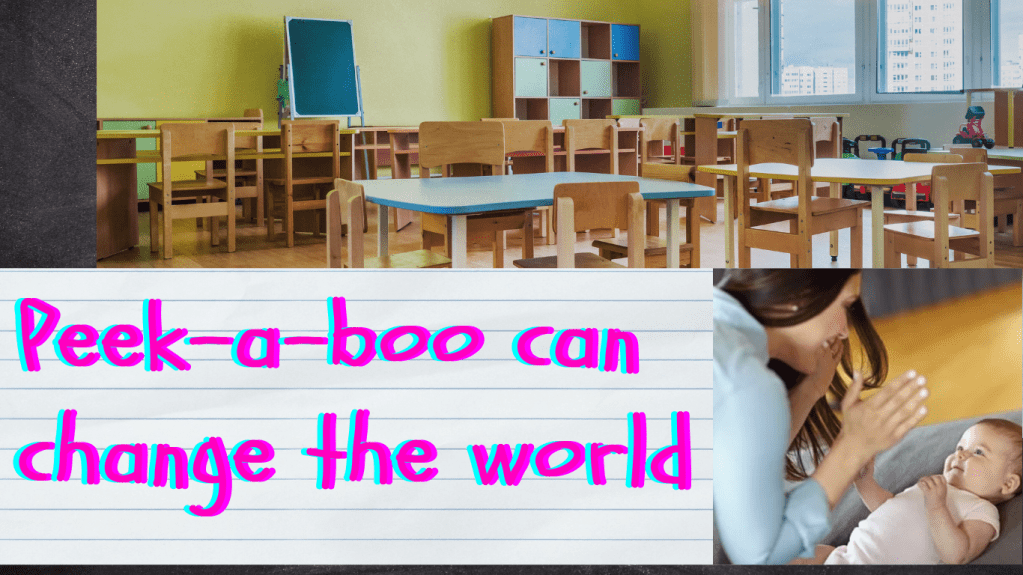
I recently watched a video of a 7-year-old delivering a TED Talk on YouTube, and it was truly enlightening. Her presentation, which highlighted how something as simple as “peek-a-boo” can change the world, was a remarkable 15-minute experience. She offered valuable insights into childhood and the impact of parenting and early education. Her bravery and eloquence were impressive, and she effectively communicated the importance of nurturing and educational practices.
I only began exploring parenting and childhood education in high school, which felt like it was too late to fully grasp their significance. These aspects are crucial for families and individuals. In my experience teaching at daycare and elementary school, it’s clear that today’s children are more technologically savvy and logically adept than previous generations. They have access to vast amounts of information online and are quick to learn from their surroundings. Unlike past generations, children today can easily access knowledge through digital devices, like asking Google Home or Amazon Alexa questions. This ability to quickly absorb information reflects their advanced learning capabilities.
Parents play a crucial role in their children’s development, modeling behaviors that shape their understanding of the world. Children often mimic their parents’ actions, learning both positive and negative behaviors from them. Since parents are the first role models, it’s vital to be honest with children, as dishonesty can affect their growth and development. The idea that “peek-a-boo can change the world” suggests that spending quality time with children can significantly influence their emotional and intellectual growth.
For new parents today, there are numerous ways to nurture their babies, especially with the rise of advanced technologies and AI. Digital tools like communication apps and social media are increasingly integrated into our lives. Some children even gain social media followers before they are three years old, thanks to their parents’ online activities. However, the most authentic and effective way to educate children is through direct interaction and personal teaching. Encouraging a child to stand in front of a class and give a speech can foster confidence and social skills from an early age.
Are you someone who constantly dwells on past events, or are you more inclined to embrace the unknown future? Are you the type of person who always flashbacks to what happened in the past or the type of person who wants to explore the future?
STAY IN THE PAST:
Everything could be memorable, every moment can hold significance if you cherish it.
As the old adage goes, what’s done is done. Many people find themselves tethered to their pasts, caught up in the whirlwind of their daily routines. Some may find solace in nostalgia, reluctant to progress in life. However, time marches forward, bringing unforeseen changes without warning or preparation. For instance, you might suddenly find yourself bereft of financial support, thrust into the unfamiliar territory of self-reliance.
Living in reverie is not without its perils. Nightmares can manifest not only in dreams but also in reality. We cannot change what has already transpired, but by choosing to live in the present, we gain agency over our decisions. Remaining mired in the past restricts our ability to savor the richness of life; like a fleeting dream, its pleasures dissipate upon waking.
JUMP TO THE FUTURE:
You may be an adventurous soul, eager to unravel the mysteries that lie ahead.
Individuals with a clear vision tend to eschew idle daydreaming. They possess a resilience born from contemplation and skepticism. Who can predict what the world will look like in twenty years? Such individuals may find themselves discontented with their current circumstances, drawn to the allure of the unknown. Curiosity propels them forward, eager to test the waters of what’s to come.
Leaping into the future is akin to pressing the ‘skip’ button or playing a ‘skip’ card in Uno. Challenges may seem less daunting when you’re propelled forward, but there’s no turning back once you’ve embarked on this journey. Regret, if it surfaces, finds you far removed from your present reality, with years slipping away beyond your control. Aging may also bring the loss of companionship, leaving one to confront the spirit of loneliness.
Mastering a language isn’t as simple as snapping your fingers. It can pose a significant challenge for many individuals.
(1) BODY LANGUAGE Body language serves as a universal communicator bridging linguistic divides worldwide. Even without sharing a spoken language, subtle gestures convey intent. For instance, while shopping in a French-speaking country as a non-native, I rely on pointing and perhaps a sprinkling of English, a widely understood language. It’s wise to grasp some basics of the local tongue before traveling; even limited proficiency demonstrates respect and often elicits assistance from locals.
(2) LEARN AND GAIN SKILLS Embrace the reality of being a foreigner and the necessity of starting from square one with a new language. Progress comes gradually with consistent effort. Everyone, regardless of background, can become proficient with dedication and practice. Along the journey, expect challenges such as encountering negativity or feeling discouraged. Perseverance is key; with time, you’ll transition from a novice to an intermediate speaker.
(3) DON’T BE AFRAID!
There’s no shame in learning something new or asking questions. Inquiries are an essential part of the learning process, and seeking guidance from native speakers is commendable progress.
Be confident in learning new things.
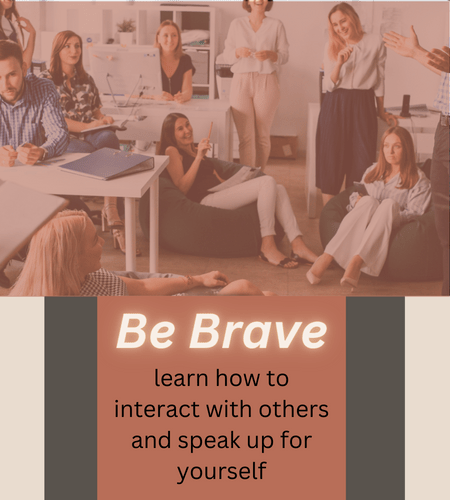
(4) BE BRAVE TO INTERACT AND SPEAK
Non-native speakers may face rejection and mockery for their accents, but take pride in attempting to engage with locals. Mistakes are inevitable but signify effort and a willingness to integrate into the culture.
What’s fun and exciting about learning a new language?
Immersing oneself in the native tongue and culture fosters enriching exchanges and a deeper understanding of heritage and traditions.
Does it matter if you only speak ONE language? Is speaking only one language a limitation?
While fluency in multiple languages enriches one’s experiences, positivity, kindness, and a smile transcend linguistic barriers, enabling meaningful interactions regardless of language proficiency. Continuous learning ensures ongoing improvement.
Do you intend to impose an additional language requirement on your children outside of what they learn in school?
Absolutely not. It’s crucial to provide unwavering support to your children when they express an interest in learning a new language. For instance, you might propose Spanish, but if they prefer Korean, it’s perfectly acceptable. It’s essential to maintain flexibility and offer support as a family embarks on new learning strive.
The clock is ticking. As time marches on, our age incrementally climbs with each passing day. So why do we wait for the perfect moment to embark on adventures and explore the world? We can’t afford to let another COVID-19 outbreak disrupt our lives and steal away our precious moments of leisure. It’s impossible to visit all 195 countries in one fell swoop, but we can always take small steps towards making our travel dreams a reality. With seven continents to explore—Asia, Africa, North America, South America, Antarctica, Europe, and Australia—I’ve only set foot on three so far. Hopefully, the other four are on my itinerary for the future.
ENJOYMENT:
BREAK
Life is a rollercoaster of ups and downs, prompting us to consider taking breaks between its tumultuous rides.
RETIREMENT
In their early 50s to 70s, many people contemplate traversing the globe. Since the onset of COVID-19 in 2020, lockdowns and restrictions have made human interaction challenging, emphasizing the importance of seizing the moment. For many, cruises or resort getaways are a tempting option.
GAP
Transitioning from high school to college, some students opt for a gap year to discover their life’s path. Others find the academic stress overwhelming and take a hiatus before diving into the workforce. Then there are those who prolong their educational journey with a PhD to delay entering the job market.
GRAB & GO BACKPACKER
Some crave the freedom of solo travel, packing their bags for spontaneous adventures. While exhilarating, solo travel demands self-sufficiency and caution, blending excitement with occasional danger.
HEALTH ISSUE
Amidst our health struggles, travel can offer respite. Mental health, in particular, benefits from the change of scenery and relaxation travel provides.
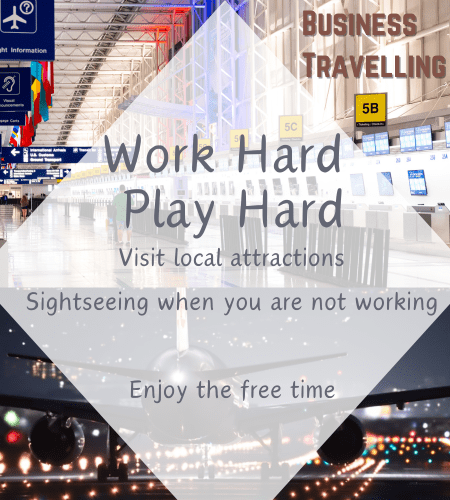
BUSINESS TRAVEL:
Sales professionals and corporate roles often entail frequent business trips to explore new ventures and opportunities. Some positions require accompanying executives, entailing a whirlwind of meetings and negotiations across the globe.
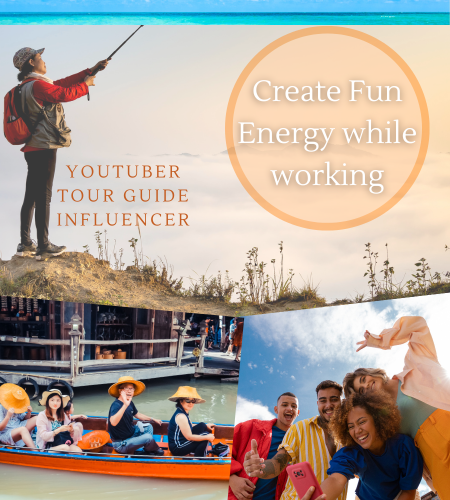
FUN JOBS:
In the modern era, YouTubers and influencers jet-set across the globe, documenting their adventures for eager audiences. While glamorous, this career demands meticulous planning and adherence to schedules.
Tour guides navigate a different path, leading groups through predefined itineraries. While repetitive, their job ensures immersive cultural experiences for travelers.
What type of travel suits you best?
Exploring foreign lands exposes us to diverse cultures and religions, fostering personal growth and understanding. Each country’s flag represents a unique tapestry of history and heritage, reminding us to approach every encounter with humility and respect. When words fail, body language becomes our universal communicator in unfamiliar territories.
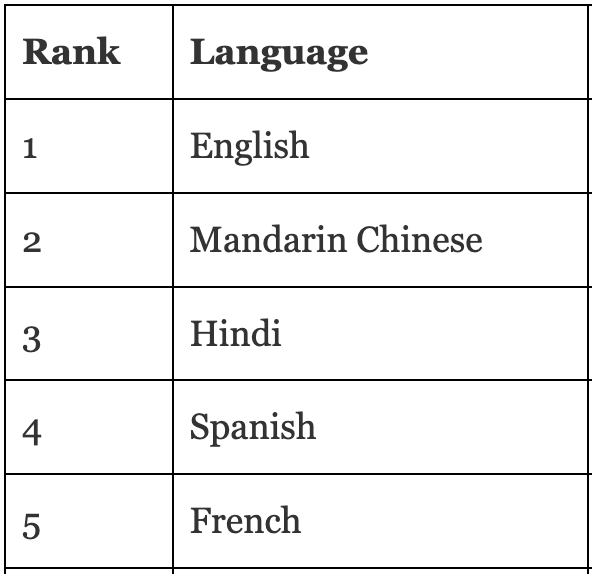
Do you know the most spoken language in the world in 2024? In early 2015, Spanish held the title, but today, English is the most spoken language across the world according to Forbes.
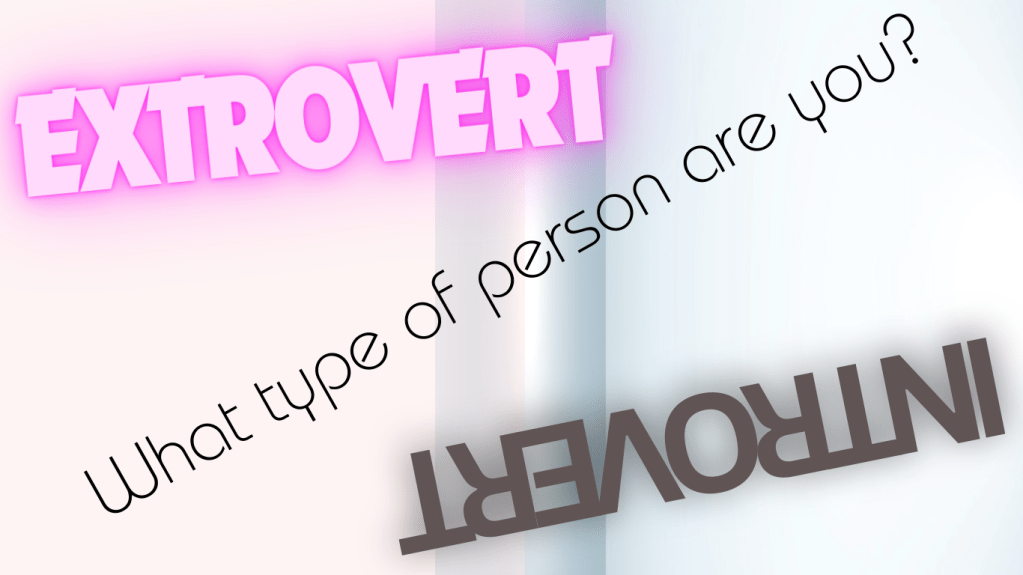
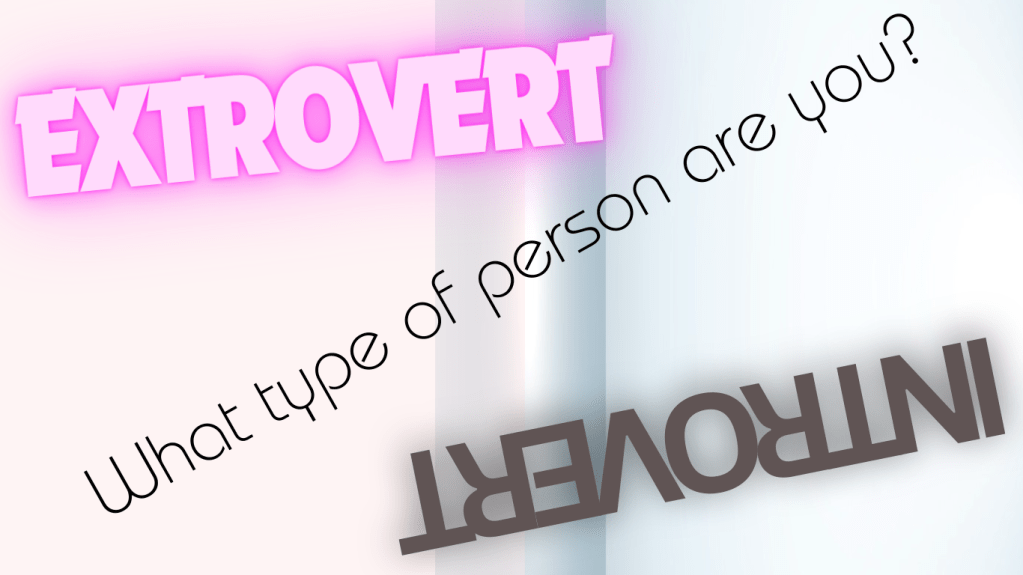
What type of person are you? As for me, I tend to lean more towards an “E”, which is characterized by being exceptionally outgoing and lively, particularly in public or professional settings. However, certain environments can induce a peculiar and uncomfortable atmosphere, sometimes transforming me into an “I”. For instance, when I find myself alone seeking a table at a crowded coffee shop with a long queue at the cashier, I typically queue up to place my order first before searching for an available seat. The introverted side of me may feel apprehensive about making eye contact with others while scouting for a table solo. The surrounding environment can provoke nervousness and shyness.
Benefit: Being an extroverted individual facilitates easy friendships and leaves a positive impression on others.
Being an Introverted person, will mostly stick around with the same old friends and be shy around others. Nevertheless, this personality type tends to be more dependable and trustworthy to their inner circle due to their inclination to keep secrets well.
Introvert:
Proficient at handling tasks and living independently without encountering significant obstacles.
Frequently embarks on solitary ‘pack and go’ trips, also known as ‘solo travel’.
Demonstrates independence and reluctance to open up to others readily.
Exhibits a calm, modest, and reserved demeanor.
Might struggle to appreciate humor and may not excel as a presenter in front of large crowds but can be effective with smaller groups.
Extrovert:
Easily forms connections with people across various situations, especially in professional and social environments.
Often seeks attention and tends to be easily distracted.
Occasionally receives discounts or extra perks from establishments when making requests.
In professional settings, clients, vendors, and partners are inclined to engage more with the most talkative and outgoing individual within a team.
When traveling alone, extroverts tend to forge new friendships effortlessly and are more likely to approach strangers for photographs.
Some extroverts may exhibit impatience, occasionally leading to issues when rushing to complete tasks at work.
In our society, both introverts and extroverts can be sensitive to various factors. What prompts individuals to deviate from their typical activities and behaviors can vary widely, influenced by numerous unpredictable and unseen circumstances that unfold in daily life. Pressures may arise unexpectedly, disrupting our routines without prior notice. For instance, a career like that of a 911 dispatcher, which entails managing numerous emergencies and unpredictable calls daily, is inherently stressful and may not suit everyone. However, individuals working in such roles, whether introverted or extroverted in their personal lives, must maintain composure under all circumstances while on duty.
Are you the most outgoing extrovert within your circle of friends?
Or are you the most introverted individual among your social circle?
An art is a piece of creation with complex elements of production.
A finely crafted speech holds tremendous power, particularly on occasions such as graduation ceremonies, weddings, gender reveals, birthdays, annual dinners, and funerals. These special moments in our lives celebrate alongside family, friends, and loved ones. A remarkable speech encompasses vibrant language, a positive aura, inspiring quotes, a central message, and maybe funny jokes in some situations.
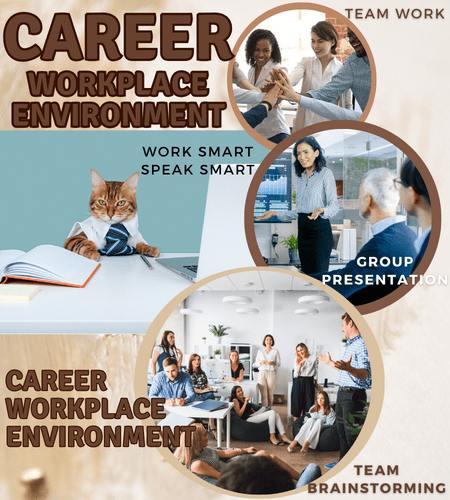
Work (speaking with clients, colleagues, reporting managers) In a work environment, how to present the best communication skills and make yourself stand out?
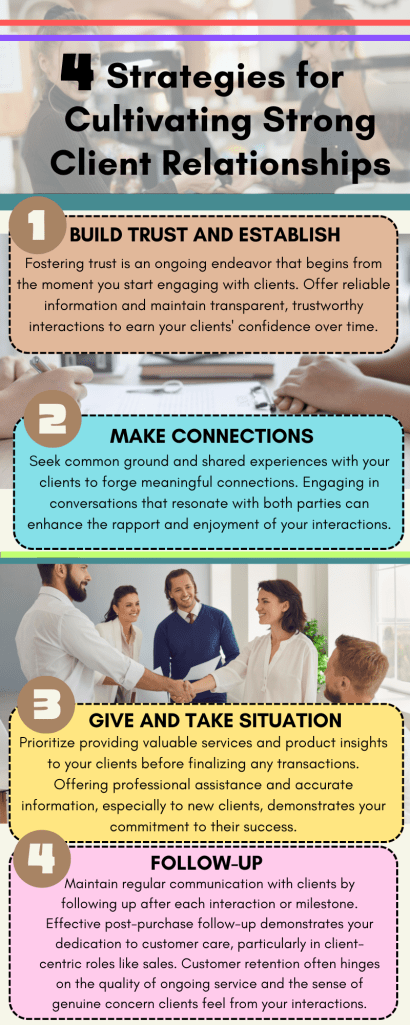
CLIENT RELATIONS: Effective communication skills are imperative across various job roles, including customer service representatives, sales managers, client relations specialists, receptionists, public relations managers, cashiers, buyers, product managers, and delivery personnel. Many positions necessitate adept verbal communication, whether interacting with clients face-to-face or virtually. Negotiation, agreement, and deal-making are recurrent themes in fostering client relationships. Additionally, non-verbal cues and gestures play a significant role. A handshake serves as a formal gesture of greeting and gratitude. A cheesy way to say it, “The customer is always right” underscores the importance of respecting clients in all circumstances.
COLLEAGUES: Teamwork makes it work. We always want to keep a good relationship with our team members, not to gain haters. Colleagues are the ones you will need to spend time with the most during work hours. In a day, 8 hours work and you have to work in the same space throughout the day. Each staff has a different list of work duties, which also means that you will need to work cross-channel and departments at some point. Be an easy-to-work-with staff, not a trouble-to-deal-with person at work. Talk nicely to your coworkers and give positive comments or suggestions at all times.
REPORTING MANAGERS: A business owner is the one who supports your living financially by sending payroll twice a month. The reporting manager is the person who evaluates your work performance and power to make salary adjustments. Some managers like to speak with you as your peers, but some may want you to speak in an extremely polite way with good manners. In Japan, there is a term called “senpai” which means senior or antecessor. This is normal in Asian culture, each country has its saying but the same meaning. It is important to be polite with extremely formal words when talking to a senior person. When you are communicating with a senior person who is older than you and with a more senior job title, you need to add formal words to the sentences. In Western culture, everyone at work only calls out names to each other. They talk like a peer, extremely formal words are not needed in Western countries like Canada and America.
JOB RECRUITERS: When people are looking for a job offer, there is always a ‘recruiter’ searching or reaching out to the candidates. The speaking style of a professional recruiter sounds so different from a regular corporate human resource specialist. The art of speech recruiters create is very passionate, encouraging and motivating. Their goal is to match the candidate to the right client’s vacant role. An example from experience: A recruiter reached out through a phone call with a list of hiring questions. Her goal was to evaluate the candidate by matching the questionnaire, then move on to the first round interviews. The difference between a recruiter and an HR specialist is that the recruiter acts like an agent, also an outsourced contractor. The speaking skill is tailored for targeting the individual candidate without pointing out his or her weaknesses.
What is the career path if you are good at speaking in public? Teacher, public speaker and Emcee are some of the job positions that need strong communication, public speaking and excellent presentation skills.
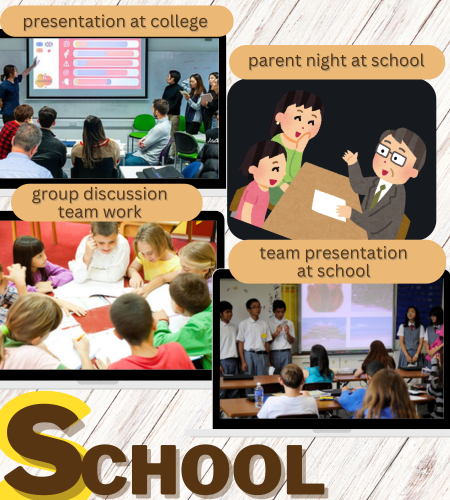
School (teacher/professors, classmates, group mates, peers, housemates) At school, what is the best solution to showcase the best presentation skills and get good grades?
TEACHERS/PROFESSORS: As humans, we all learned how to call a teacher when we were in kindergarten or daycare. It came across with the knowledge of having a teaching figure in front of each classroom, who provides us educational information and knowledge at school. When it comes to when we study our undergrad at college or university, we stop using the word ‘teacher’ and use ‘professor’ instead. A teacher and professor needs to be brave and confident speaking in the middle of the classroom or lecture hall. Educational speakers tend to showcase the best lectures with extremely strong presentation skills and a passionate personality. Example: The professor who teaches a class with a mass group of students needs to be crystal clear and loud with what they speak in class. College and university professors have to prepare PowerPoint presentations before entering the lecture hall for each lesson. Additionally, there are always Q&A sessions open to students to ask during and after the class. Professor needs to know how to communicate with their students and maintain the relationship of acting a good teaching figure. For daycare, elementary and high school teachers, sharing the best practices is important. When teaching a younger age group of students, teachers need to be fun, engaging, energetic and passionate about everything they share and teach at school. CLASSMATES: Classmates are somebody you need to spend time with the most during school life. They are not only your classmates and schoolmates. Also, they are your group mates for group projects or team building, peers for library studying, the playmates at recess or on break time. When you are dealing with an issue where it was just a misunderstanding, you will need to learn how to resolve the problem. By saying that, you may want to say some polite or appreciative words like sorry and thank you within the conversation. This way you can solve the problem by sharing your positive and kind energy with others. It is always the fastest way to make someone understand your feelings and standpoint when you appreciate them.
We started to learn how to speak and present in front of a big group of people at elementary school. Some people may adapt it smoothly and easily. Some people may be very shy and not as outgoing as some other people. Building confidence and being able to stand on a stage are parts of the public speaking learning process.
HOUSEMATE: For people who live with housemates at school resident or in rental apartments, tend to learn how to be independent. When studying at college or university, students are most likely living on campus or renting a shared house near school. A housemate and roommate are the people you will need to deal with every day when you are not at school learning. It is easy to get into a fight with your housemate or roommate with just a small mistake or misunderstanding. Honesty and trust are two key components you will get to learn while living out with a housemate or roommate. Since you are living with them together during your school year, you will need to tolerate and be patient in a home setting environment.
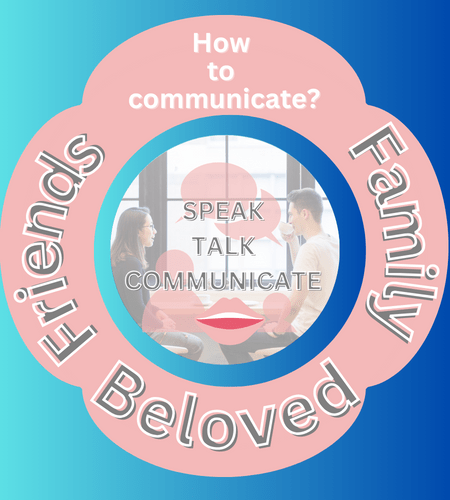
Your beloved( family, friends, and your partner) What is the best way to avoid bad communication and misunderstanding in front of your family, friends and partner?
Families, friends and your partner are someone who has a close relationship with you. No matter how bad a fight appears, you will need to remember that families are the ones who always come back to you and forgive you. Be respectful to your families when you speak with them. For example, always say thank you to your mother who packs your tomorrow’s lunch, instead of saying Mom what’s my lunch tomorrow. Think before speaking to your closest ones because you don’t want to say something in an inappropriate way and words that cannot be taken back. Many mistakes could be caused by miscommunications and misunderstandings. Humans easily forget about how to communicate with others in many scenarios. Therefore, there are consultation, social work section, mediator section, and negotiation may be involved in many cases.
Some may be concerned about how to talk to strangers in reality, but some may be concerned about how to present the best form of themselves. In our society, extroverts are most likely to be more beneficial. This can be a controversial topic, what do you think? My next sharing will be “introvert vs extrovert”, to dive into examples from real life.
Have you ever seen or received any advertising that says “go paperless” in your mailbox? Banks have improved their functions and services to online banking. From receiving a paper version of a monthly bank statement in the mailbox, transition into receiving a statement each month via online banking and email notification. One of the pros of digitizing society is that humans are cutting less trees due to a paperless situation, which means environmental-friendly.
Let’s dive into different kinds of change because digital and advanced technologies exist! Five aspects are as follows, payment, terminology, work, informative learning experience and lifely habits.
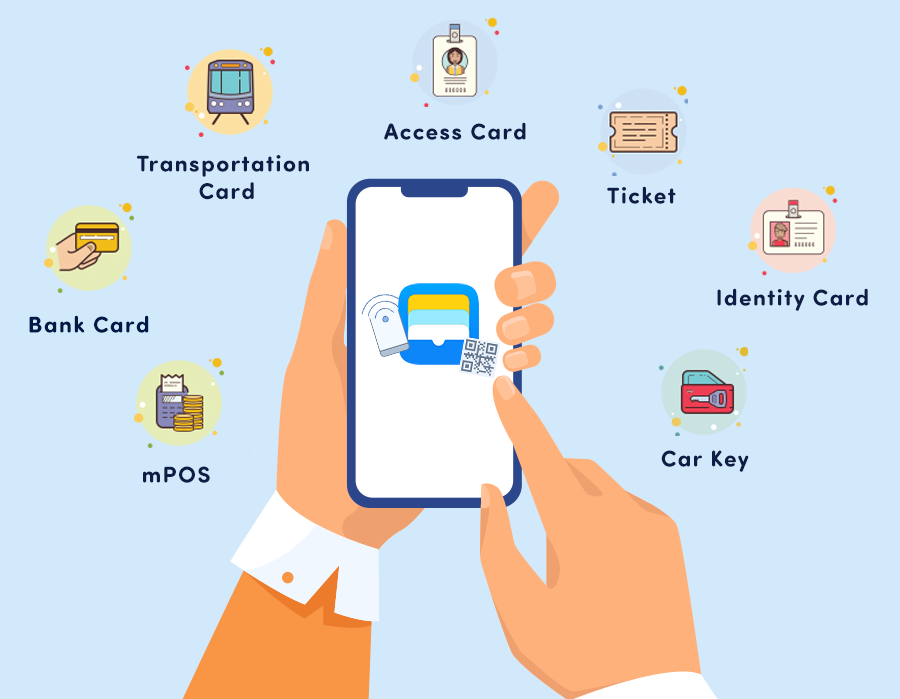
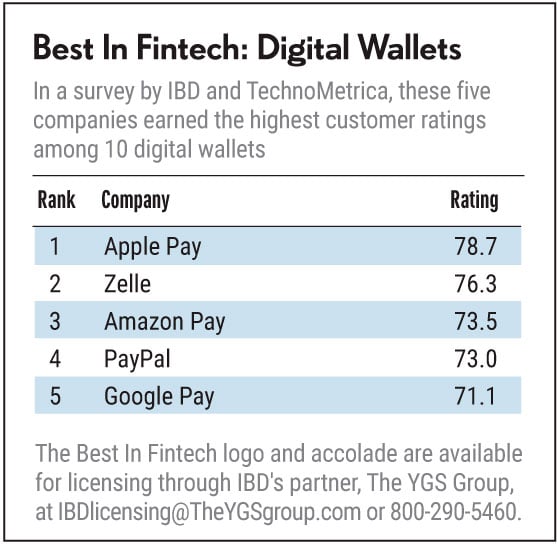
PAYMENT: When you search “Digital Wallet Type” on the Google search bar, these are the most popular wallets that people use in this generation. All kinds of digital wallets lead to a more convenient life and time saving for humans. For example, if you forget to grab your physical wallet at a restaurant, you can just easily use a digital wallet like Google Pay or Apple Pay for the meal. Some may wonder so what can you put inside the digital wallet? For travellers, you can simply download your aeroplane tickets and save them inside the digital wallet. It is a fast way to get scanned while lining up at the boarding entrance. What else can you save inside the digital wallet? Some venues like Scotiabank Arena do not allow a bigger size of bag for entry. In this case, any concert or exhibition participant can show the tickets where they saved inside the digital wallet on their phones.
For business use, the digital wallet is a game changer whereas the return customers can scan their loyalty card via the wallet on their phones. For instance, Shoppers Drug Mart has the most popular loyalty program called PC Optimum. Customers can save points for rewarding, redeeming, and cash-back programs once they scan the card on their digital wallets.
TERMINOLOGY:
Instead of saying “Did you receive my message?” people would likely say “Hey, I WhatsApp you, have you checked it yet?” Social media platforms create social life for humans virtually, not physically. The following applications can be frequently used and seen as communication tools: WhatsApp, WeChat, Instagram, LinkedIn, TikTok, YouTube, Facebook and Twitter These applications make a huge impact on human social life. People connect with others to build relationships via these platforms, to get to know more about others’ life or hobbies. For example, many dancers love to connect with other dancers on TikTok, Instagram and YouTube across the world, to share different dance genres and cultures. Each of the applications has a different purpose or field usage, for instance, businesses or recruiters tend to use LinkedIn to connect with suitable candidates for their companies. For social life, some singing or dancing communities seem to use WhatsApp a lot for sharing photos, performance details, or other fun activities. Digital enhancement makes building relationships and connections easier.
WORK:
With people who studied digital marketing, we learned what a hybrid is. When COVID hit in 2020, we all learned the word and meaning of “remote”. After all, there were more work-from-home positions appearing during the 2020-2023 job postings. In 2024, there will be less remote job postings and more hybrid role hiring instead. Remote work life does not provide a physical and normal social life at the office and in other work environments. Hybrid mode means you still get to see your colleagues at least 1-3 times a week to share ideas and work with others physically. The pros of virtual work are that you can meet people across the world. For example, your clients could be working at the California location for their branches and you are in the Toronto location with a different time zone. It is very normal for tech companies like Dyson and Google, to have hiring managers based in America and the job posting role is based in Canada. Digital life saves time and also money. Signing documents can be easily completed via online systems like SignDoc or Adobe. For the work aspect, digital brings a lot of joy and benefits to staff. People can work together in a team in different time zones and countries.
INFORMATIVE LEARNING EXPERIENCE:
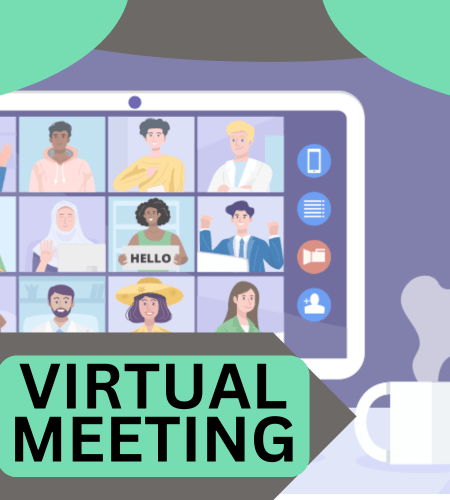
Online learning is very famous in the educational industry. How does it work to have a lesson or class virtually? By clicking a meeting room link, the organizer can invite anyone to connect over the internet virtually. Due to COVID, humans got introduced to Zoom, Microsoft Teams, Skype, Google Hangout and other meeting applications. Zoom and Teams are two of the most popular applications for educational institutions and the corporation industry. By setting up a virtual call, people can arrange and organize a regular meeting, virtual training, tutorial session, company introduction and orientation. It can be applied to any kind of electronic device. Teachers use it to host classes virtually, a quick and common way to provide informative content to learners without meeting in person. Digital makes humans smarter and quicker in learning.
LIVELY HABITS:
When people discuss living a healthy life with healthy lively habits, doing exercises and stretching every day can improve your health eventually. YouTube is a well-known platform for audiences to watch a variety of educational content or other learning methods. By following YouTube exercise-related tutorial videos, people can learn and follow every step one by one. Yoga, Pilates, Dance, Zumba, Core Strengthen, HIIT(High-intensity interval training) and cycling are some of the common exercises YouTube creators most likely publish tutorial videos. Rather than getting lost in guidelines at the gym, you may start your exercise session by watching and following the instructions from those videos at home. Advanced technologies make humans pick up habits easily and naturally. Many digital watches like FitBit, Apple Watch, Android Watch, and Huawei Watch provide the same concept of leading people to get used to digitizing society. The main purpose of these digital watches is to act as a reminder of life, not only revealing the current date and time in every second. This is a reminder for all users to remember that it is the time to exercise, stand, stretch, reply to emails, reply to messages and other notifications. Humans are living much smarter than 10 years ago due to the advanced enhancement in technology changes and digitalization.
Nevertheless, digital dynasties are changing and improving every single second. Humans tend to rely on online sources a lot, it has an impact on many aspects. For instance, some followers would love to blindly listen to and trust information or content coming from online influencers. YouTube, Instagram, and TikTok influencers create a strong impact on their followers and this is why digital can make things surreal. This is the digital world where people can be called by different names online. Digital can be good and bad at the same time because it all depends on the situation and environment.
Can you predict what the digital world will be like in 20 years?





























 Bo Chow